

Last Updated: November 20, 2026
Quick Summary
The best EMF protection for families is a harmonizer, not a blocker. Harmonizers change an EMF's vibration so it resonates with the body's own electrical field, while blockers only reduce field strength and cannot fully block a working phone's signal.
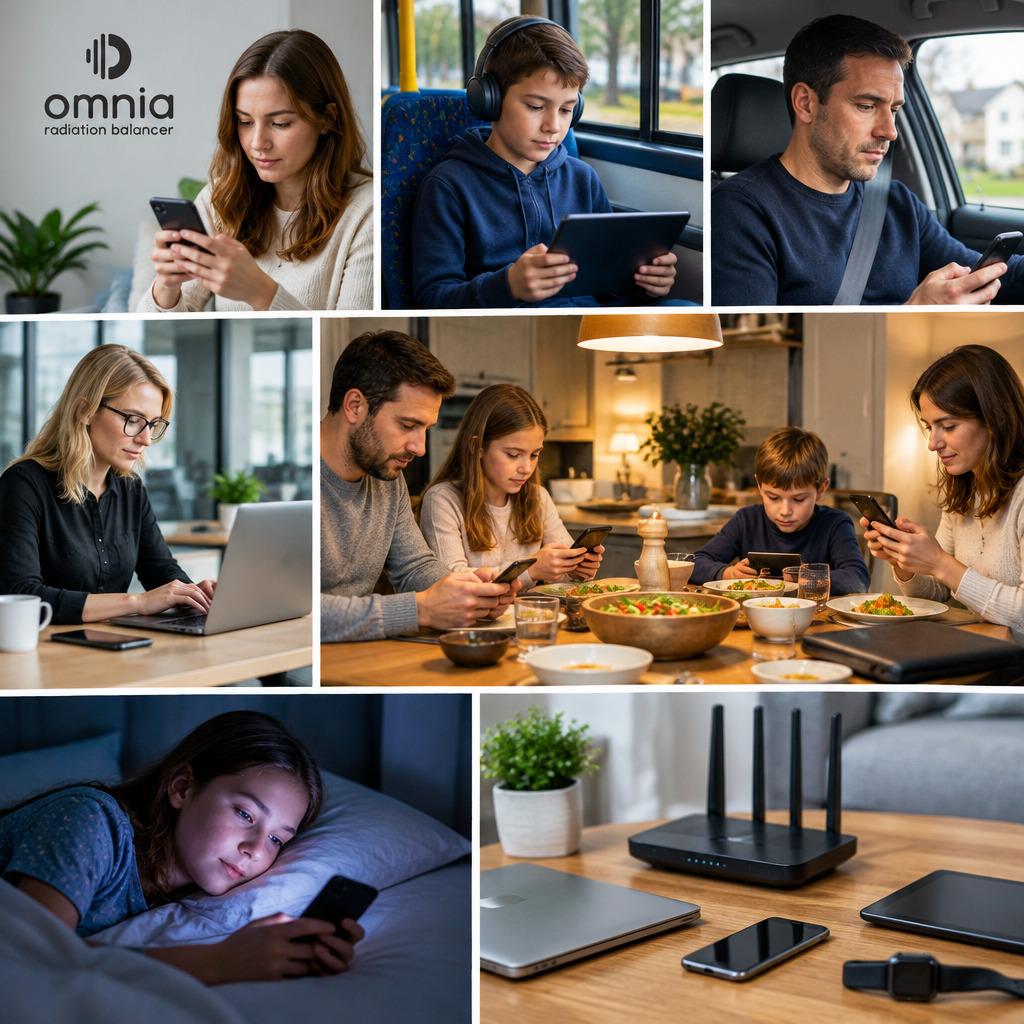
- Home EMF protection searches climbed more than 110% since summer 2024, with parents driving the trend.
- Place one ORB sticker per device, including routers, laptops, tablets, and baby monitor units.
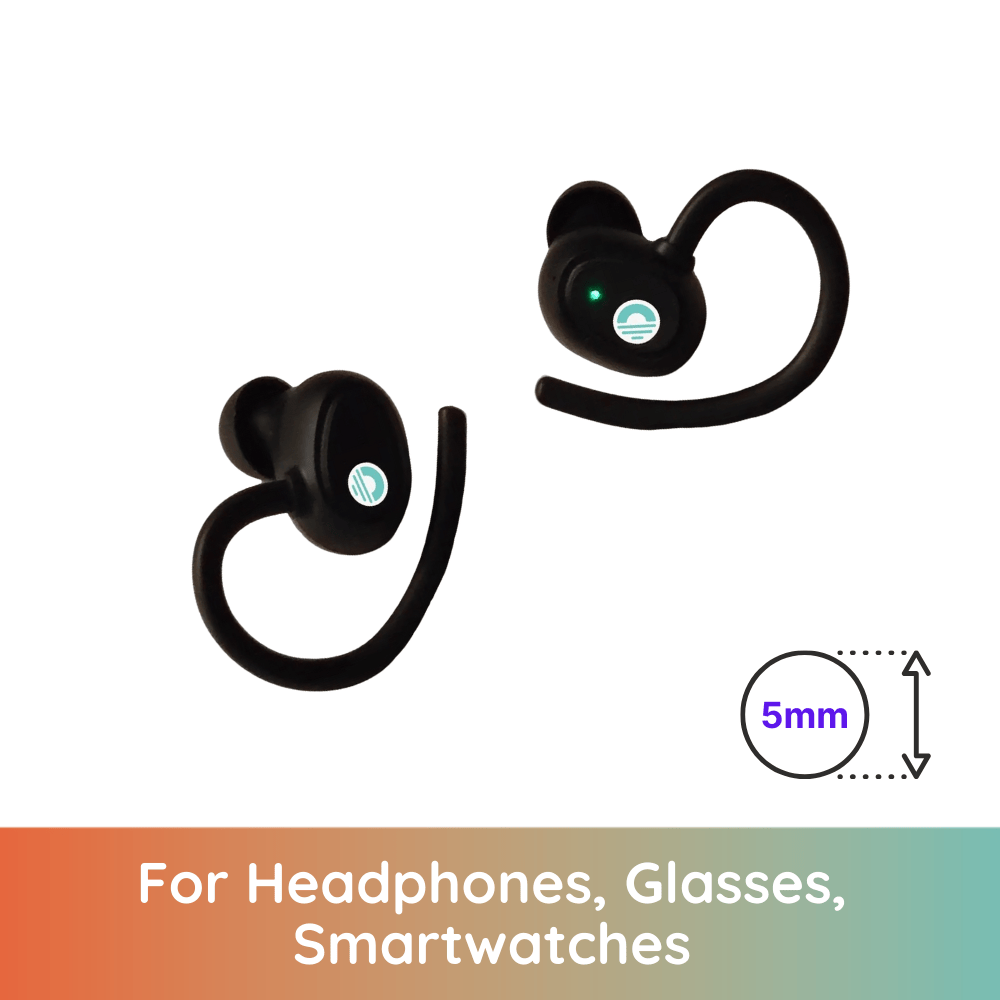
- The ORB MiCRO is a 5mm harmonizer sized for earbuds, smartwatches, headphones, and glasses arms.
- Free steps like moving routers out of bedrooms and charging phones outside bedrooms lower total exposure.
- Harmonizers are not designed to change what a signal meter reads, only the field your body meets.
Table of Contents
- Why Families Are Searching for EMF Protection Now
- Harmonizers vs Blockers: The EMF Protection Devices That Actually Help
- Best EMF Protection for Phone: What to Put on Every Device
- Best EMF Protection for Home: Routers, Laptops, and Shared Spaces
- EMF Protection for Kids: What Parents Need to Know
- Comparing EMF Protection Devices: What to Look For
- Protecting Your Family: Next Steps
- Frequently Asked Questions
Why Families Are Searching for EMF Protection Now
Home EMF protection searches climbed more than 110% since summer 2024 and hit their highest sustained levels on record in early 2026, according to a GlobeNewswire release on home EMF protection search trends tracking the category. Parents are the ones driving that curve.
At Omnia Radiation Balancer, we take the view that the answer is not blocking, it is balance. Below, we compare the two families of EMF protection devices, show what our body tests reveal, and break down what to put on phones, routers, laptops, and kids' devices.
One thing most buying guides get wrong: they treat "EMF protection" as one product category. It is not.
Harmonizers vs Blockers: The EMF Protection Devices That Actually Help
Harmonizers change the vibration of an EMF so it resonates with the body's own electrical field. Blockers try to reduce field strength by absorbing or reflecting it. Those are fundamentally different jobs, and only one of them is achievable without cutting your phone off from its network.
Consider what blocking actually requires. A 2019 review of EMF shielding methods and products by Panagopoulos and coauthors lays out the physics: shielding depends on materials like copper mesh, silver-threaded textiles, and metalized fabric that attenuate a field. Attenuation means reducing strength.
Then there is the body question. Blockers are often judged by materials measurements rather than by what happens to a living person holding the device.
What the Test Results Show
For parents who believe EMF is harmful, we have test results worth your attention.
We are not alone in looking at resonance-based approaches. A 2024 pilot study on an in-home resonance-based EMF protection device evaluated feasibility and reported improvements in several markers, though the summary does not name them. It is early-stage evidence, and we present it as such.
Here is the part official bodies skip. For people who believe EMF is harmful, we have test results worth your attention. We think the mechanism is wave-field imbalance between the electric and magnetic components, and that is what our technology is designed to correct.
Best EMF Protection for Phone: What to Put on Every Device
A harmonizer applied directly to the device is our approach for phone use, because the phone is held close to the body. You touch your phone for hours a day.
One option is the ORB Sticker Pack.
One sticker covers one device. Count the phones, tablets, and e-readers in your household, then choose a pack size. A family of four with a tablet usually needs the larger pack.
For earbuds, smartwatches, and headphones, the standard sticker is too large. That is what the ORB MiCRO exists for, and we cover it in the kids section below.
Best EMF Protection for Home: Routers, Laptops, and Shared Spaces
A harmonizer on the router is a sensible starting point, because the router broadcasts continuously whether or not anyone is using a device. That constant background field is the one most parents never think to address.

Most guides stop at "put something on the router." That is not a plan. Here is how we would walk a house, room by room.
Room by Room
The router and modem. One ORB sticker on the router, and one on the modem if it is a separate unit.
The home office or homework corner. Laptops matter because you type on them for hours with hands in direct contact.
The living room. The smart TV, streaming box, soundbar, and game console all emit, but you do not need to cover every one.
The kitchen and utility area. The smart meter, if you have one, and the baby monitor.
Bedrooms. Habits matter more than products here. Charge phones and tablets outside bedrooms overnight. If a child uses a phone as an alarm, a cheap standalone alarm clock solves it.
The No-Purchase Steps That Belong Alongside Any Product
Practical steps cost nothing and belong alongside any product: move the router out of bedrooms, turn Wi-Fi off at night, use speakerphone or wired earbuds for long calls, put the laptop on a desk rather than a lap, and keep the phone out of the bedroom overnight. None of these replace harmonizing, but they lower the total load, and we would rather you do both than buy a product and change nothing else.
Trade-Offs to Know Before You Place Anything
Harmonizers are designed to change the vibration of a field rather than reduce its strength, so they are not intended to change what a signal meter reads.
Watch out: placing a sticker over a vent, a speaker grille, or a heat sink on a laptop can affect performance or cause the adhesive to fail. Place it on a flat, cool surface of the case.
Watch out: a sticker on a router does not extend coverage to a whole house. If a product page promises "whole home protection" from one device, ask what was measured and where. We do not make that claim, and you should be skeptical of anyone who does.
EMF Protection for Kids: What Parents Need to Know
EMF protection for kids deserves more care than adult devices, because children's bodies are smaller, their skulls are thinner, and their exposure starts earlier.
The ORB MiCRO is a 5mm harmonizer built for exactly these devices. It fits wireless and wired headphones, earbuds, smartwatches, and even the arms of glasses.
Both are American.
Beyond products, set the habits early. Charge devices outside bedrooms. Cap screen time where you can. Teach kids to text rather than hold a phone to the ear. Those habits compound over a childhood.
Comparing EMF Protection Devices: What to Look For
Comparison shopping in this category is harder than it should be, because most products are marketed on material specs rather than body response. Here is the framework we would use if we were buying from someone else.
Ask What Was Tested, and on What
Every product in this category falls into one of three test types, and they are not interchangeable.
Material tests. These measure attenuation in decibels, or how much a fabric or mesh reduces field strength in a lab. They tell you about the material.
Device tests. These check whether a phone still connects, whether a case affects signal, whether a sticker interferes with a camera or a wireless charger. Useful, but narrow.
Body tests. These look at how a living person responds, using measures like heart response, blood, water structure, and body strength.
When you compare two products, compare them within the same test type. A decibel claim and a body-response claim are not competing numbers; they are answers to different questions.
The Apples-to-Apples Checklist
| What to check | Why it matters | Red flag |
|---|---|---|
| Test type stated plainly | Body tests and material tests answer different questions | Only decibel or attenuation claims with no body data |
| Test conditions disclosed | Frequency, distance, and duration change results | "Tested" with no frequency or setup described |
| Signal preserved | A working phone still needs to receive data | "Blocks 99% of radiation" |
| Direct-contact coverage | Proximity drives exposure | Vague "whole home" claims from one device |
| Device fit | Stickers sized for phones vs earbuds | One size for everything |
| Longevity | One purchase, lasting protection | Subscription or replacement cycles |
A word on the "blocks 99%" claim you will see on children's blankets and phone cases. If a product truly blocked that much of the field reaching your phone, the phone would not work. The number describes a lab material test, not a device in your pocket. Ask what frequency was tested, at what distance, and whether the phone still connected afterward.
Buying Criteria by Family Member
The right product depends on who is using the device and how.
Babies and toddlers. The main exposure source is the baby monitor and the parent's phone left near the crib.
Young children. Tablets and school devices dominate. One sticker per tablet, placed where it will survive a backpack.
Teens. Earbuds, smartwatches, and a phone that never leaves their hand. This is where the small-format harmonizers earn their place, one per earbud and one per watch, because each side emits separately.
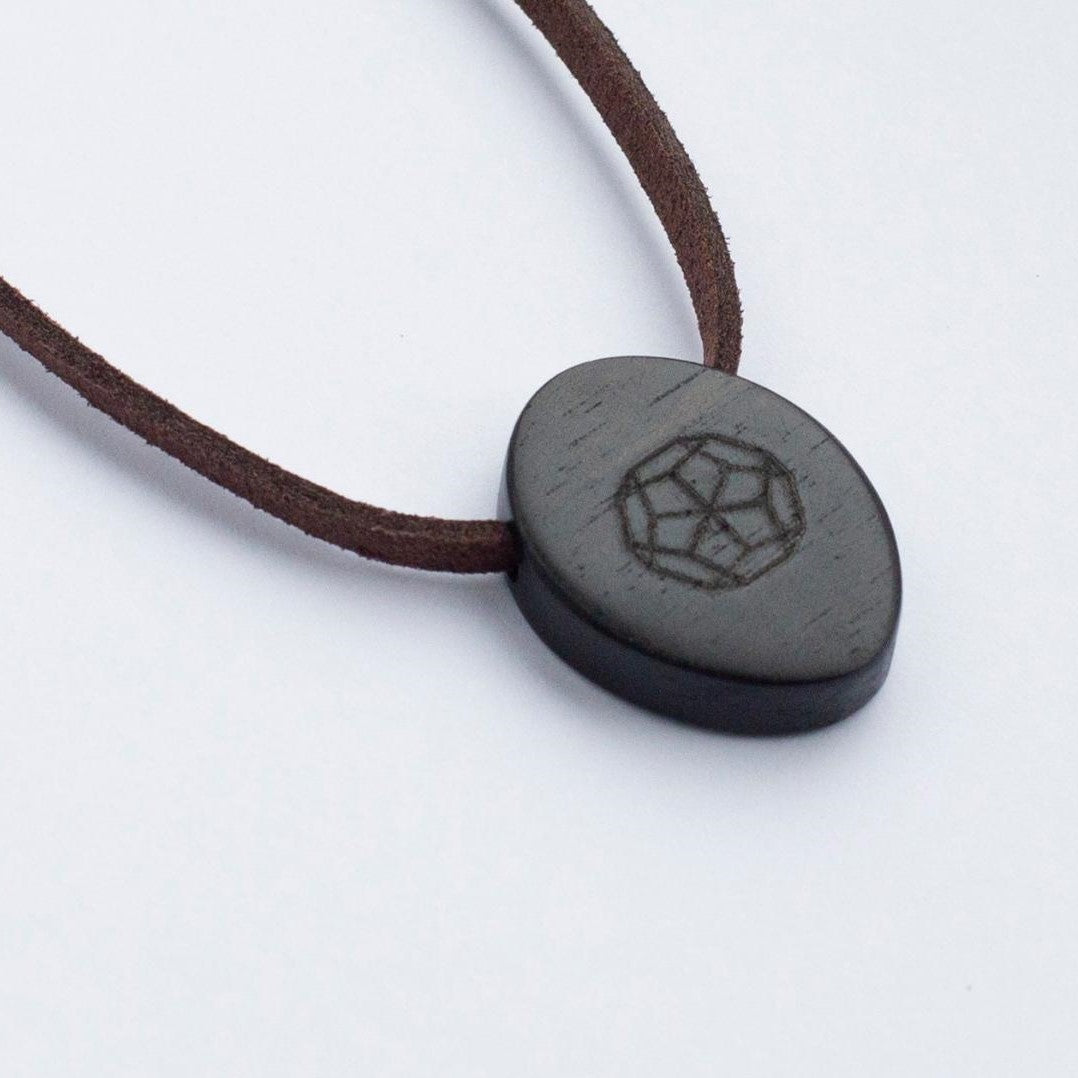
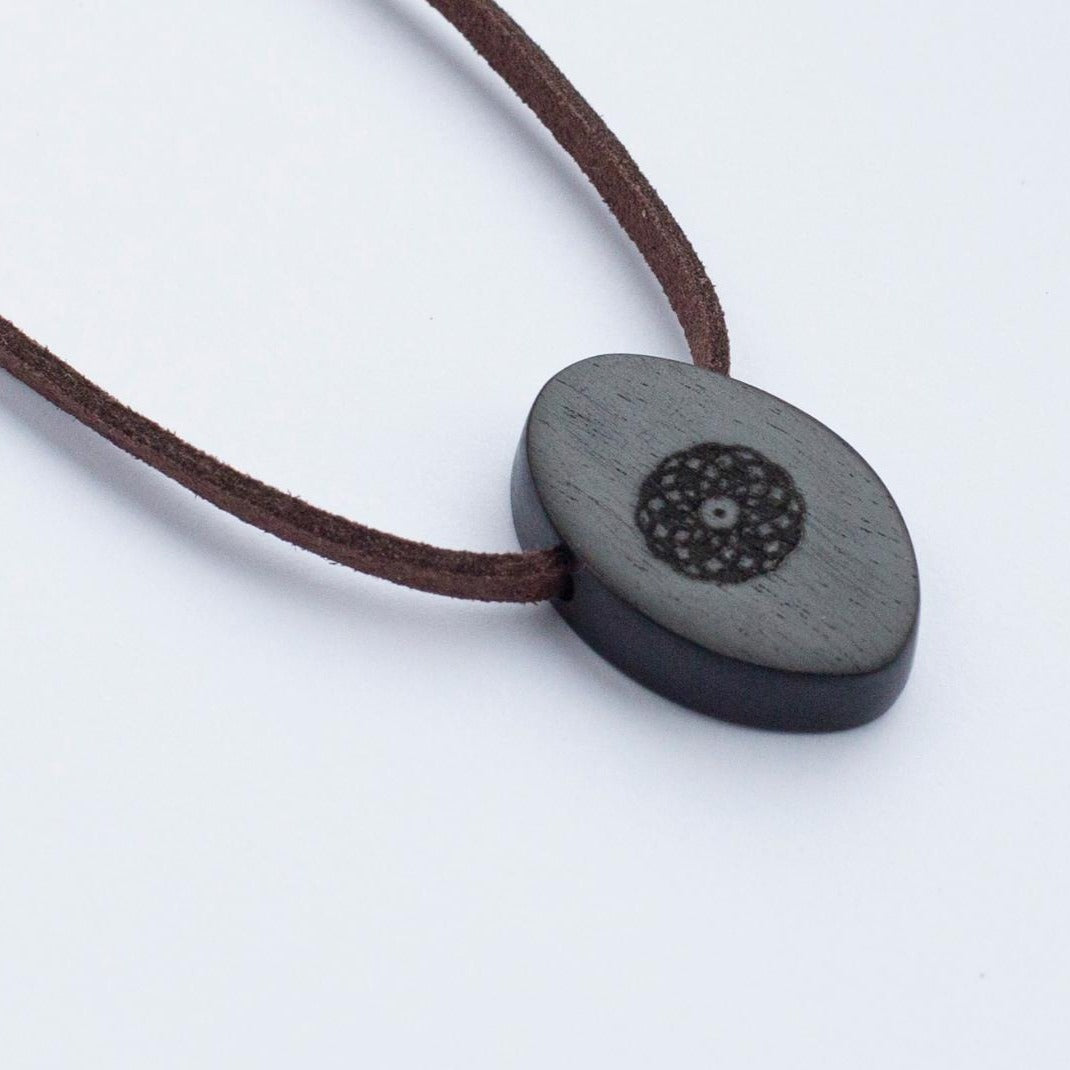
Adults. Laptops, phones, and wearables through a workday. A pendant or a phone sticker covers the devices you touch most; the goal is coverage of direct-contact devices, not every appliance in the house.
What We Do Not Claim
We do not claim our products reduce field strength. They do not, and a meter will not show a drop. We do not claim a single sticker protects a whole home. And we do not claim our body tests are the same kind of evidence as a clinical trial. They are body-response tests, and we present them as such.
For readers who want to see a pendant rather than a sticker, the Deca Design in Ebony ORB Pendant and the Torus Design in Ebony ORB Pendant are two options in the catalog.
Protecting Your Family: Next Steps
We believe official safety conclusions have been built largely on heat tests rather than tests on the human body, and our position is that readers should weigh that for themselves.
We built Omnia on a different premise: that the electric and magnetic components of a man-made field can be out of balance, that this imbalance stresses cells and water, and that restoring balance is possible without cutting your family off from the connected world.
You can explore the full range of harmonizer products for phones, routers, earbuds, and everyday wear on our main collection page. Start with the devices your family touches most.
If you are tired of being told everything is fine without evidence, you are exactly who we built this for.
Frequently Asked Questions
What is the best EMF protection for families?
The right EMF protection for a family depends on how many devices you use and where. Many households start with harmonizer stickers on phones, laptops, and the Wi-Fi router, plus smaller stickers for headphones and smartwatches. Harmonizers are designed to change the vibration of a field rather than reduce its strength.
How can I reduce my family's exposure to EMF from phones?
Start with distance and duration: use speakerphone or wired earbuds instead of holding the phone to your head, keep phones out of bedrooms overnight, and set screen-time limits for kids. Then address the field itself. Placing a harmonizer sticker on each phone is our approach to changing the vibration of the EMF so it is in harmonic resonance with the body, as reflected in our test results. These two steps together cover both exposure reduction and field quality.
Do EMF-blocking phone cases affect phone signal?
Yes. A blocker that actually blocks radiofrequency radiation also reduces the signal your phone needs to connect to the network. Omnia products are harmonizers, not blockers. They do not reduce field strength, so your phone receives data normally while the EMF is brought into balance.
Are EMF protection products for children worth considering?
Many parents think so, especially given how many hours children spend on tablets and phones. The case for harmonizers rests on published test results: Omnia's tests on heart, blood, body strength, and water structure show the body responds well to a balanced field. Parents should review the test data themselves and decide based on what they see.
What is the difference between an EMF blocker and an EMF harmonizer?
A blocker tries to stop or reduce radiation, which is why it interferes with phone signal and performs poorly in body tests. A harmonizer leaves the field strength alone but changes the vibration of the EMF so the electric and magnetic components are balanced, matching the body's own electrical field. Omnia's stickers use this approach, and the company reports they last indefinitely and are backed by tests on the heart, blood, body strength, and water structure.

Share and get 15% off!
Simply share this product on one of the following social networks and you will unlock 15% off!